
What Are the Benefits of Jumping on a Trampoline?

A fun way to stay active is jumping, and the benefits of jumping on a trampoline include better cardiovascular fitness, muscle engagement, and improved balance. The flexible surface can also reduce some of the impact on your joints compared with exercising on harder surfaces.
At Jump Time - Meridian, families can enjoy an active way to move, play, and spend time together. Trampoline activities combine physical movement with an enjoyable experience for different ages and skill levels.
What Are the Benefits of Jumping on a Trampoline?
Many people ask, what are the benefits of jumping on a trampoline for the body? Jumping is a simple way to move more while having fun. It gets the heart pumping and uses many muscles at the same time. The benefits of jumping on a trampoline can vary from person to person. How you jump, how long you jump, and your fitness level can all affect the activity.
Some key benefits may include:
Gets the heart pumping faster
Uses the legs and core
Challenges balance and body control
Helps the body practice coordination
Encourages active play
Uses energy through movement
Makes physical activity feel fun
Jumping can combine several types of movement in one activity. However, it does not need to replace walking, running, cycling, or other forms of exercise.
Get Your Whole Body Moving
Jumping uses much more than your legs. Your core, glutes, back, and leg muscles all help you move and stay in control. Your legs push your body away from the trampoline. When you come back down, your muscles help control your landing.
Your core also works during each jump. It helps keep your upper body steady as you move up and down. These are some of the physical benefits of jumping on a trampoline. Different muscle groups work together instead of one area doing all the work.
Your Legs Help You Jump and Land
Your thighs, calves, and glutes help push your body upward. They also help control your body as you land. The amount of muscle work depends on how you jump. Small, gentle jumps differ from faster or higher jumps.
Your Core Helps You Stay Steady
Your core supports your body as you bounce. It helps you stay upright and control your position. A steady core also helps when you change direction or prepare to land.
Give Your Heart an Active Workout
Repeated jumping can raise your heart rate and make you breathe faster. This makes active bouncing a form of cardio activity. You can change how hard you work by changing your pace. Faster or longer periods of jumping may require more effort than slow bouncing. The health benefits of jumping on a trampoline may include supporting regular physical activity. Staying active can form part of a healthy lifestyle.
Jumping also uses energy. How much energy you use depends on several factors, including:
Fast you move
How high you jump
Your body size
How long you stay active
How often you take breaks
Jumping should not be viewed as a quick way to lose weight. Instead, it can be one enjoyable way to add more movement to your day.
Build Better Balance and Body Control
A trampoline moves under your feet. Your body must make small changes to stay steady with each bounce. Legs and core help make these changes. Your eyes and body also work together to help you understand where you are during each movement. Over time, regular practice can help you become more comfortable with jumping and landing. Balance becomes even more important when you turn or change direction. Your body must react to each new movement.
Practice Coordination Through Movement
Coordination means different parts of your body work together smoothly. Jumping gives you many chances to practice this skill. You may need to jump, land, turn, or change direction while keeping control. Simple movements are a good place to start. More complex moves require greater control and should only be tried when appropriate.
Make Staying Active Feel Like Play
Exercise does not always have to feel like a workout. Trampoline activities can turn movement into active play. This can be useful for families who want to spend less time sitting. Jumping gives children and adults a chance to move while enjoying an activity together.
For younger children, age-appropriate play is important. The Kid's Court at Jump Time - Meridian provides a space designed for children ages 1 to 5. It includes a kid-sized trampoline grid and other play features. Parents and guardians should follow the facility's rules and supervision requirements.
The exact benefits of jumping on a trampoline depend on the person and the activity. Age, fitness, jumping style, pace, and time spent jumping can all make a difference. Trampoline jumping can support cardio activity, muscle use, balance, coordination, and active play. Most of all, it gives people another enjoyable way to get up, move, and stay active.
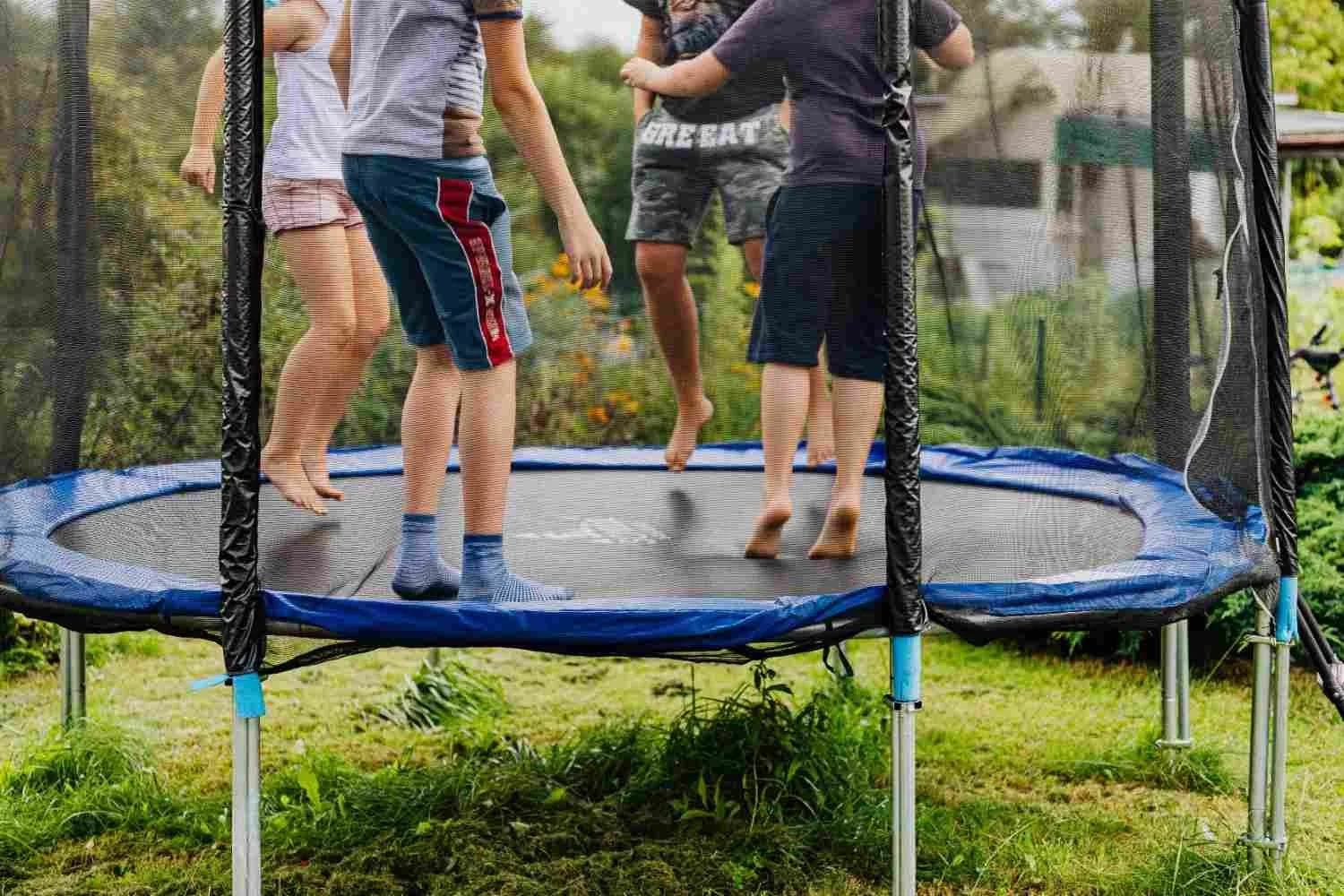
How Does Trampoline Jumping Support Balance, Muscles, and Cardio?
Trampoline jumping keeps many parts of the body active at the same time. Each bounce asks the body to move, balance, and prepare for the next landing. These actions can make jumping both fun and physically active. People who ask what are the benefits of jumping on a trampoline may want to know how it affects balance, muscles, and heart activity. These areas work together during almost every jump.
Improve Balance and Coordination Through Movement
A trampoline has a soft surface that moves as you land. Your body must react to these changes to stay steady. Each landing gives your body another chance to adjust. Your legs, core, and back help you keep control.
Jumping can involve several useful movement skills:
Balance: Helps you stay steady when you land.
Timing: Helps you prepare for each jump and landing.
Body awareness: Helps you understand where your body is as you move.
Coordination: Helps your arms, legs, and core work together.
Motor skills: Help you control basic body movements.
Body control: Helps you manage your position while bouncing.
Research on mini-trampoline exercise has found possible balance benefits in some groups, including older adults. However, these studies focus on planned exercise programs. Recreational trampoline play is different. Research about adults using small rebounders should not be used to promise the same results for children at trampoline parks.
Balance and coordination also develop through practice. Simple jumps, turns, and landings ask the body to react in different ways. Other activities can also challenge movement skills. A ninja warrior course, for example, may require balance, grip, timing, and body control.
Work Several Major Muscle Groups
The physical benefits of jumping on a trampoline include using several muscle groups during one activity. Your muscles help you take off, stay steady, and control each landing. Your core keeps your body stable as you move. Stomach and nearby muscles help keep your upper body in a steady position. Your glutes help you push upward and control your hips. Your quadriceps, located at the front of your thighs, help straighten your legs.
Hamstrings support the back of your thighs. They help control your legs as you jump and land. Your calves help push your feet against the trampoline. Your back and other small support muscles help you stay upright. The amount of muscle work changes with your speed, jump height, and type of movement.
Get Your Heart Pumping With Active Jumping
Yes, trampoline jumping can provide cardio activity. Repeated movement can make your heart beat faster and increase your breathing rate. These health benefits of jumping on a trampoline depend on how active the person is. A slow bounce requires less effort than fast, steady jumping.
Several factors can change the intensity:
Jumping speed
Jump height
Length of activity
Number of rest breaks
Type of movement
Research has studied trampoline exercise and other cardio activities. However, this does not mean jumping is always better than running, walking, or cycling. The benefits of jumping on a trampoline can also come from making movement enjoyable. Families can mix active attractions with other forms of recreation, including indoor virtual reality in Meridian, depending on their interests. The goal does not need to be intense exercise. Jumping can simply provide another fun way to move, use different muscles, and enjoy active play.
How Can Trampoline Jumping Support Fun, Social, and Active Play?
Trampoline jumping offers more than a way to move the body. It can also create time for play, family fun, and social activity. When people ask what are the benefits of jumping on a trampoline, these parts of the experience are worth considering.
Active Play Can Support a Positive Mood
Physical activity can help people feel good after moving their bodies. Jumping adds a playful part that can make movement feel less like a workout. The health benefits of jumping on a trampoline may also include the general benefits linked with staying active. However, trampoline play should not be described as a treatment for stress, anxiety, depression, or other health conditions. A trampoline park can simply give people a place to move and enjoy a break from their normal routine.
Families and Friends Can Have Fun Together
Active play can create shared family experiences. Parents, children, siblings, and friends can enjoy time together while doing something physical. Group activities can also support basic social skills. Jumpers may practice taking turns, talking with others, and sharing activity areas. They also learn to stay aware of people around them. At Jump Time - Meridian, families can combine trampoline activities with other forms of entertainment. The Jump Time arcade and laser maze can add more variety to a family visit.
Young Children Can Explore Active Movement
Some of the benefits of jumping on a trampoline relate to movement skills. Young children can practice moving, stopping, balancing, and controlling their bodies during age-appropriate play.
Movement may involve:
Practicing balance while standing and bouncing
Moving the arms and legs together
Learning how the body moves through space
Practicing simple motor skills
Taking turns with other children
Staying active through play
These activities may give children chances to practice movement skills. They do not guarantee specific physical or developmental results. Jump Time - Meridian has a Kid's Court designed for children ages 1 to 5. The area includes a kid-sized trampoline grid, an inflatable slide, and multi-level play structures.
Children can also explore the iBeam interactive floor. The dedicated space helps younger guests enjoy activities suited to their age. Court monitors supervise the area, and grip socks are required. Children aged five and younger may also explore other facility areas with direct parent or guardian supervision.
A Flexible Surface Changes the Landing
The physical benefits of jumping on a trampoline are often discussed alongside its flexible surface. Unlike a hard floor, a trampoline mat moves when a person lands. This is what people mean when they describe trampoline exercise as lower impact. The flexible surface can make a landing feel different from repeated movement on a hard surface.
However, "low impact" does not mean "no impact." Your muscles and joints still manage force during each jump and landing. It also does not mean trampoline activities have no injury risk. Jumpers still need to follow facility rules, stay aware of others, and choose movements that fit their abilities.
Jump height, speed, landing position, and the type of activity can all change the forces placed on the body. Overall, the benefits of jumping on a trampoline can extend beyond exercise. Active play can encourage movement, family time, social interaction, and simple fun when participants follow the proper rules.
How Does Trampoline Jumping Compare With Other Activities?
Different activities move the body in different ways. Running, walking, cycling, playground play, and trampoline jumping can all support an active lifestyle. People who ask what are the benefits of jumping on a trampoline may want to compare jumping with other common activities. There is no single activity that works best for everyone.
| Activity | Cardio | Muscle Use | Balance | Social Play | Impact |
|---|---|---|---|---|---|
| Trampoline jumping | Moderate to high | Whole body | High | Often | Varies |
| Running | Moderate to high | Mostly lower body | Moderate | Sometimes | Higher |
| Walking | Low to moderate | Mostly lower body | Low to moderate | Often | Lower |
| Cycling | Moderate to high | Mostly lower body | Moderate | Sometimes | Lower |
| Playground play | Varies | Whole body | Varies | Often | Varies |
| Indoor exercise | Varies | Varies | Varies | Varies | Varies |
The physical benefits of jumping on a trampoline can include leg and core use, balance, and cardio activity. Running may focus more on steady cardio. Walking offers a gentler way to stay active. Cycling can build endurance while using the legs.
Playground activities often mix climbing, running, and social play. Traditional indoor exercise can include many activities, from simple stretching to strength training. The right choice depends on age, ability, interests, and fitness goals. Mixing different activities can also make movement more enjoyable.
Make Trampoline Time Fun and Comfortable
A little planning can help families enjoy their visit. At Jump Time - Meridian, guests should learn the attraction rules before you visit and choose activities that suit each family member.
Start with these simple tips:
Wear comfortable clothes that allow easy movement.
Use the required grip socks.
Begin with simple jumps and movements.
Take breaks when needed.
Drink water during active play.
Stay aware of nearby jumpers.
Choose areas suited to each person's age.
Supervise young children when facility rules require it.
Families can also enjoy different forms of entertainment during their visit. Lucky Putt miniature golf can offer a change of pace between more active attractions. The health benefits of jumping on a trampoline should not be the only reason to jump. Having fun, spending time together, and enjoying active play can also make the experience worthwhile.
Keep Safety Part of Every Jump
Understanding the benefits of jumping on a trampoline also means understanding the risks. Jumping is an active form of play, so falls, poor landings, and contact with other people can happen. Always follow posted rules and listen to court monitors. Use each attraction only as directed. Give other jumpers enough room. Avoid tricks or moves that are beyond your current skill level. Staying in control can help make the activity more enjoyable for everyone.
Jump Time - Meridian requires grip socks for jumpers. Guests should also use designated areas and follow age rules. Parents or guardians must provide direct supervision when required. A waiver is also required for jumpers. Parents or legal guardians must sign for young children when required by facility policy. No active attraction can be completely free of risk. Rules, supervision, proper equipment, and careful choices all play an important role. Families can enjoy the benefits of jumping on a trampoline while keeping safety in mind. Follow the rules, respect other guests, and choose activities that match each person's age and ability.
Jump Into Family Fun at Jump Time - Meridian
Get ready to move, jump, and have fun with your family at Jump Time - Meridian. Enjoy the benefits of jumping on a trampoline while making fun memories together. With activities for different ages, everyone can find something to enjoy.
Plan your visit and explore the attractions before you arrive. Want to learn more about tickets, activities, or visit details? Contact us at Jump Time - Meridian. Our team can help you plan your next day of active family fun.
